 bobby
bobby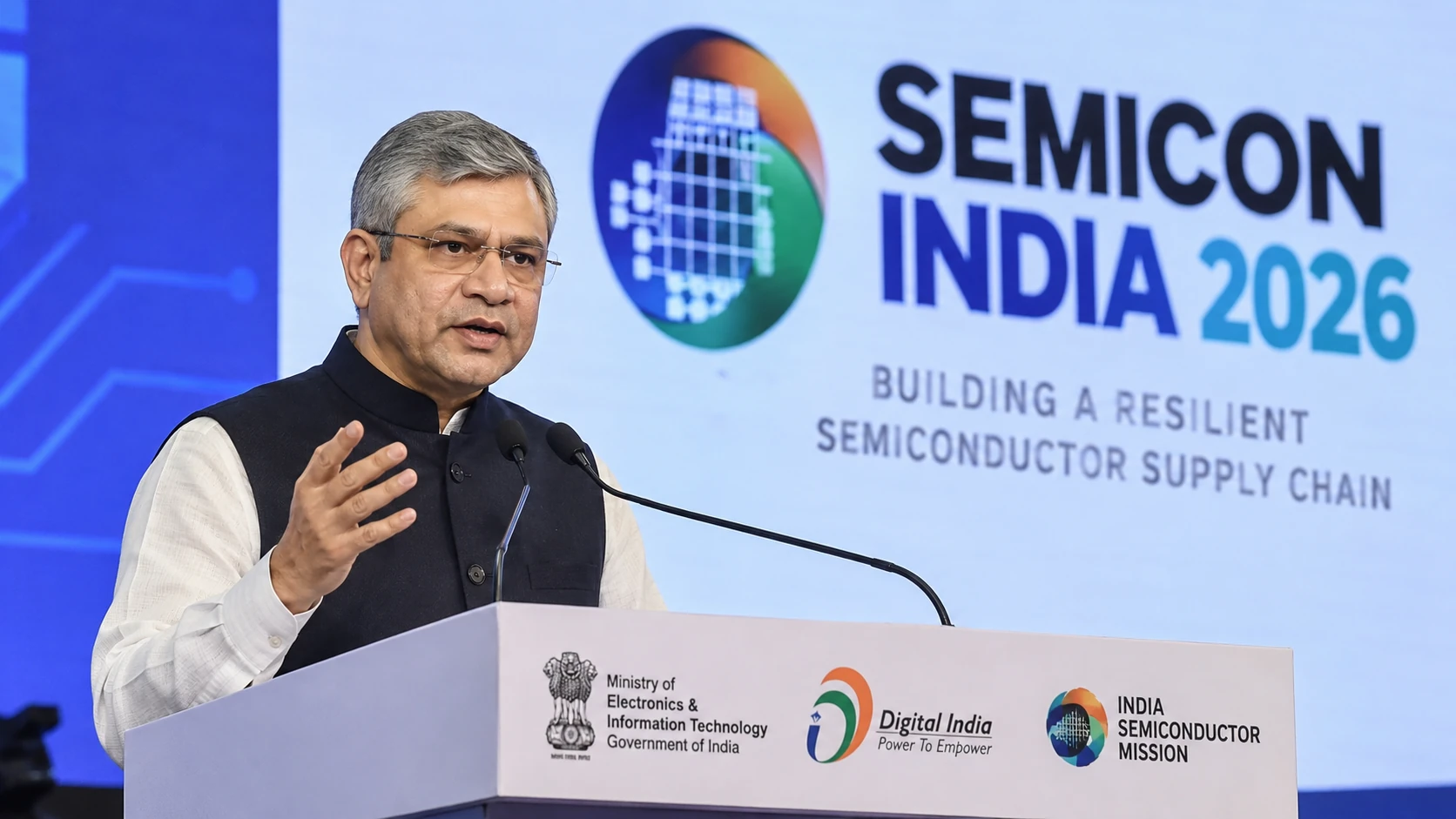
Ashwini Vaishnaw: India’s semiconductor industry could open up new career opportunities for young Indians over the next five years, with Union Minister Ashwini Vaishnaw highlighting growing demand for skills in chip design, manufacturing, testing, and related technologies.
Speaking during an exclusive interview with NDTV at Semicon India 2026, Vaishnaw encouraged young Indians to prepare for long-term careers in the semiconductor sector, stressing that discipline, determination, and technical expertise would be essential for success.
The minister said the government’s semiconductor ambitions extend beyond chip manufacturing, with opportunities expected across the entire semiconductor value chain.
His remarks come as India advances its semiconductor development plans through Semicon 2.0, a government initiative with an approved outlay of approximately ₹1.27 lakh crore.
The programme aims to expand domestic chip-design capabilities, strengthen manufacturing infrastructure, and develop a skilled semiconductor workforce.
📌 Key Highlights
- Career opportunities: Ashwini Vaishnaw highlighted potential opportunities in semiconductor design, manufacturing, testing, validation, equipment, and materials.
- Government support: The minister said the government would help young Indians prepare for careers in the semiconductor industry.
- Semicon 2.0: The government has approved an approximately ₹1.27 lakh crore initiative to strengthen India’s semiconductor ecosystem.
- Chip-design companies: The government aims to support the emergence of at least 200 chip-design startups and companies.
- Career preparation: Vaishnaw emphasised discipline, determination, and long-term commitment as essential qualities for professionals entering the sector.
🚀 What Can Young Indians Expect in the Next Five Years?
India’s semiconductor ambitions could create opportunities for students, engineers, researchers, and technical professionals interested in advanced technology.
During his interview at Semicon India 2026, Ashwini Vaishnaw was asked what young Indians should look forward to over the next five years.
The minister responded by highlighting opportunities across multiple areas of the semiconductor industry, rather than focusing exclusively on chip manufacturing.
He identified semiconductor design, manufacturing, testing, validation, equipment, and materials as important areas in which career opportunities are expected to develop.
Vaishnaw also said the government was prepared to help young people acquire the skills required to enter the industry.
His comments indicate that India’s semiconductor plans are intended to create a broader industrial ecosystem involving technology development, production, research, and specialised technical services.
💼 Semiconductor Career Opportunities for Indian Youth
The semiconductor industry involves several stages, from designing an electronic chip to manufacturing, testing, and integrating it into electronic devices.
As India’s semiconductor ecosystem develops, young professionals may find opportunities in several specialised fields.
| Career Field | Potential Career Opportunities |
|---|---|
| Semiconductor Design | Chip design engineers, VLSI engineers, verification engineers |
| Semiconductor Manufacturing | Process engineers, production engineers, manufacturing technicians |
| Semiconductor Testing | Chip testing engineers, quality assurance professionals |
| Semiconductor Validation | Hardware validation engineers, product testing specialists |
| Semiconductor Equipment | Equipment engineers, maintenance technicians |
| Semiconductor Materials | Materials engineers, chemical engineers, research professionals |
| Research and Development | Semiconductor researchers, electronics engineers, technology developers |
These are examples of occupations associated with the semiconductor value chain, not confirmed vacancies or guaranteed employment opportunities.
Students interested in entering the sector can explore educational programmes and technical training relevant to their preferred specialisation.
🎯 Ashwini Vaishnaw’s Message to Youth: Discipline and Determination Matter
Alongside highlighting future opportunities, Ashwini Vaishnaw emphasised the demanding nature of semiconductor careers.
He cautioned that the industry requires sustained effort, technical precision, and long-term commitment.
During the NDTV interview, the minister compared a career in semiconductors to a marathon, stressing that professionals entering the sector should be prepared for continuous learning and disciplined work.
His message reflects the specialised nature of semiconductor development, where designing, manufacturing, and validating chips can involve complex technical processes.
The minister encouraged young Indians to approach the industry with determination rather than expecting quick results.
Why Is Discipline Important in Semiconductor Careers?
Semiconductor manufacturing and design involve highly specialised processes that require accuracy, quality control, and technical knowledge.
For students and professionals interested in this field, useful areas of preparation include:
- Developing strong foundations in electronics, mathematics, and semiconductor technology.
- Building practical skills in circuit design, programming, or relevant manufacturing processes.
- Gaining experience through technical projects, internships, and laboratory training.
- Learning industry-specific tools and quality-control procedures.
- Staying informed about developments in semiconductor technology.
The specific skills required depend on the chosen career path. For example, chip-design engineers and semiconductor manufacturing technicians may need substantially different training.
🇮🇳 Semicon 2.0: India’s ₹1.27 Lakh Crore Semiconductor Initiative
The government’s Semicon 2.0 initiative forms an important part of India’s plans to expand its domestic semiconductor industry.
Approved with an outlay of ₹1.275 lakh crore, the programme focuses on developing capabilities across the semiconductor value chain.
Its priorities include chip design, semiconductor equipment and materials, fabrication facilities, advanced packaging, research and development, and talent development.
The initiative builds on the first phase of India’s semiconductor mission, which focused on establishing the foundations for domestic semiconductor manufacturing and supporting the wider industry.
According to the Ministry of Electronics and Information Technology, the next phase aims to strengthen the country’s semiconductor ecosystem and expand its industrial capabilities.
What Are the Main Objectives of Semicon 2.0?
The programme focuses on six major areas:
1. Chip Design: Supporting domestic companies and startups involved in semiconductor design.
2. Equipment and Materials: Developing capabilities in the machinery, materials, and specialised supplies required for semiconductor production.
3. Semiconductor Fabrication: Expanding domestic chip-manufacturing infrastructure.
4. Advanced Packaging: Strengthening semiconductor assembly, testing, and packaging capabilities.
5. Research and Development: Supporting technological innovation and semiconductor research.
6. Talent Development: Expanding the availability of trained engineers, technicians, and other industry professionals.
These priorities are intended to support the development of a more complete domestic semiconductor ecosystem.
🏭 India Targets 200 Chip-Design Companies Under Semicon 2.0
One of the government’s stated objectives under Semicon 2.0 is to support the emergence of at least 200 chip-design startups and companies in India.
Ashwini Vaishnaw discussed this target during Semicon India 2026, highlighting the country’s existing strengths in information technology and global capability centres.
The minister said India’s established technology capabilities were extending into the semiconductor sector.
Chip design is a specialised area involving the development of integrated circuits used in electronic products, communication systems, computers, and other technologies.
The government’s target reflects its intention to expand India’s domestic chip-design ecosystem and support companies working across different semiconductor applications.
However, the figure of 200 companies is a government target, not a confirmed count of newly established businesses.
How Could New Chip-Design Companies Benefit Indian Youth?
An expanding chip-design ecosystem could create opportunities for graduates and professionals specialising in electronics, computer engineering, and related disciplines.
Potential areas of employment include integrated circuit design, semiconductor verification, hardware engineering, and research.
The development of domestic chip-design companies could also create opportunities for entrepreneurs interested in building semiconductor technology businesses.
The number and availability of actual jobs will depend on investment, company growth, project execution, and demand for semiconductor products.
🎓 How Can Students Prepare for Semiconductor Jobs in India?
For students interested in semiconductor careers, selecting the right educational and technical pathway is an important first step.
The industry includes both engineering-intensive roles and technical positions that require specialised vocational training.
1. Choose a Relevant Educational Path
Students can explore courses in electronics and communication engineering, electrical engineering, computer engineering, physics, materials science, and related technical disciplines.
The appropriate qualification depends on the specific role they want to pursue.
2. Develop Industry-Relevant Technical Skills
Students interested in semiconductor design can explore digital electronics, integrated circuit design, semiconductor devices, and VLSI technology.
Those interested in manufacturing may benefit from studying fabrication processes, equipment maintenance, materials, and quality control.
3. Gain Practical Experience
Internships, laboratory projects, industry training, and technical workshops can help students develop practical skills.
Hands-on experience can also provide a clearer understanding of the different roles available within the semiconductor industry.
4. Explore Semiconductor Training Opportunities
Students can look for semiconductor-related courses, academic programmes, and industry training initiatives offered by recognised educational institutions and relevant organisations.
Before enrolling, they should check course eligibility, curriculum, accreditation, costs, and available practical training.
5. Develop a Long-Term Career Plan
Semiconductor careers can require continuous learning as manufacturing processes, design tools, and industry requirements evolve.
Students can begin by identifying their preferred specialisation and developing the technical skills required for that field.
🌏 India’s Semiconductor Ambitions: What Comes Next?
India’s semiconductor strategy is focused on developing capabilities across chip design, manufacturing, packaging, equipment, materials, and research.
The government has also emphasised workforce development as an important part of expanding the sector.
According to a September 17, 2026, Ministry of Electronics and Information Technology announcement, Semicon 2.0 aims to strengthen India’s semiconductor ecosystem, including plans to train one lakh technicians.
The ministry also reported approximately ₹1 lakh crore in investment commitments and expectations of close to one lakh new employment opportunities across the ecosystem.
These figures represent reported commitments, training targets, and employment expectations rather than completed investments or confirmed job placements.
For young Indians, the development of the semiconductor industry presents potential career pathways across a range of technical specialisations.
However, the pace at which those opportunities become available will depend on the successful implementation of projects, investment decisions, workforce training, and the growth of domestic semiconductor companies.
❓ Frequently Asked Questions (FAQs)
1. What did Ashwini Vaishnaw say about India’s future semiconductor jobs?
During an interview at Semicon India 2026, Ashwini Vaishnaw said young Indians could expect opportunities in semiconductor design, manufacturing, testing, validation, equipment, and materials. He also emphasised discipline and long-term commitment as important qualities for entering the industry.
2. What is Semicon 2.0?
Semicon 2.0 is the next phase of India’s semiconductor development initiative. With an approved outlay of approximately ₹1.27 lakh crore, it focuses on chip design, manufacturing, equipment, materials, advanced packaging, research, and workforce development.
3. How many chip-design companies does India aim to develop under Semicon 2.0?
The Indian government aims to support the emergence of at least 200 chip-design startups and companies under Semicon 2.0, according to Ashwini Vaishnaw’s statements at Semicon India 2026.
4. Which courses are useful for semiconductor jobs in India?
Electronics and communication engineering, electrical engineering, computer engineering, physics, materials science, and relevant technical diploma programmes can provide useful foundations for different semiconductor careers.
The appropriate qualification depends on whether a student wants to work in chip design, manufacturing, testing, equipment maintenance, or research.
5. Will India’s semiconductor industry create more jobs in the next five years?
The Indian government expects its semiconductor initiatives to create employment opportunities across manufacturing, design, packaging, and related industries.
The Ministry of Electronics and Information Technology has reported expectations of close to one lakh new employment opportunities across the semiconductor ecosystem. Actual employment outcomes will depend on project implementation, investment, and industry demand.
📝 Conclusion
Ashwini Vaishnaw’s message to young Indians at Semicon India 2026 focused on the career opportunities that could emerge as India expands its semiconductor industry.
From chip design and manufacturing to testing, validation, and research, the sector offers several potential career pathways for students and technical professionals.
With Semicon 2.0 targeting the development of a broader semiconductor ecosystem and at least 200 chip-design companies, the government is seeking to expand domestic capabilities and workforce training.
For young Indians interested in this industry, developing relevant technical skills and gaining practical experience can help them prepare for emerging opportunities.
The scale and timing of those opportunities will depend on how India’s semiconductor projects and industry development plans progress.