
 bobby
bobby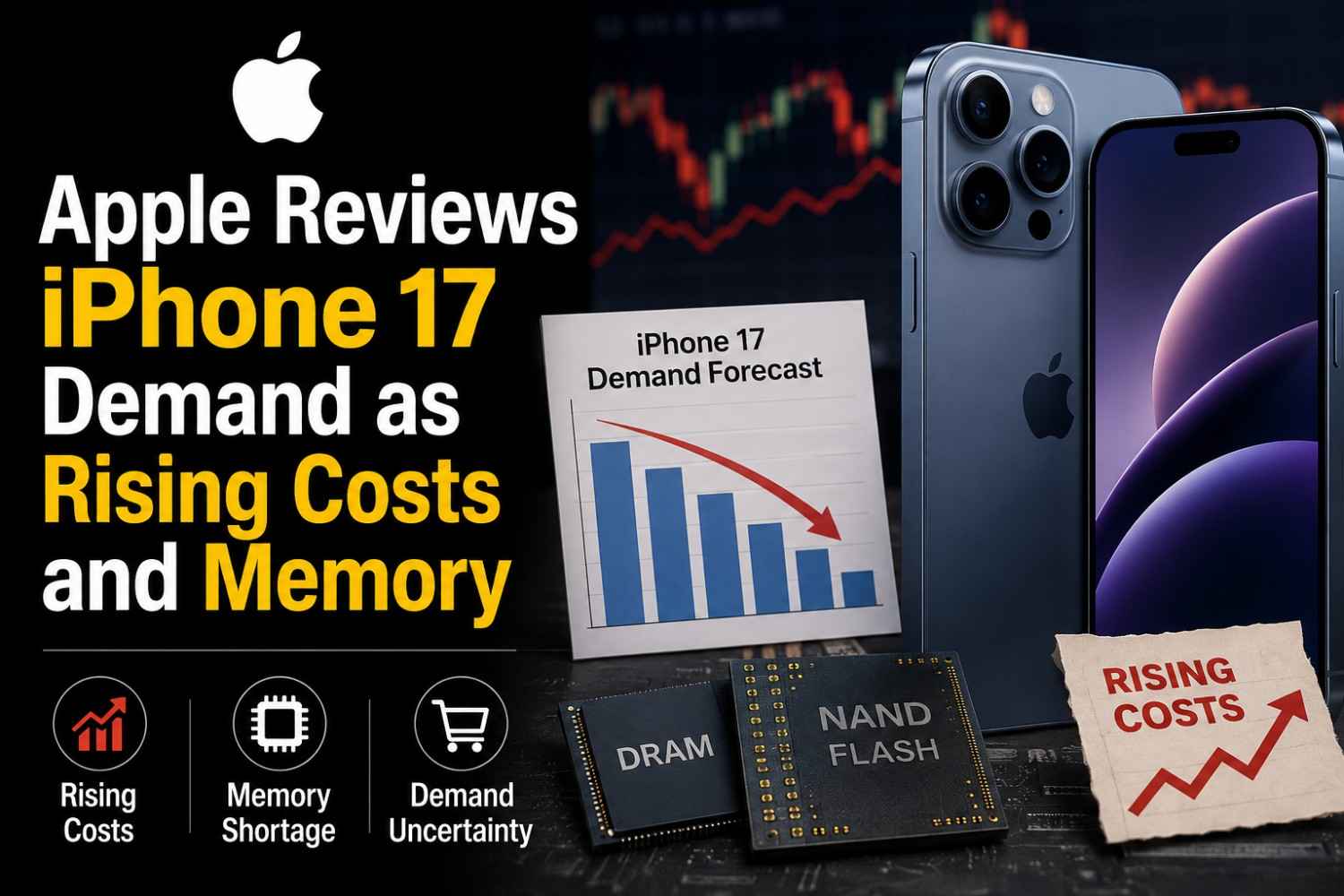
Apple reviews iphone 17 : Apple is reportedly reassessing production plans for the standard iPhone 17 as rising component costs and an ongoing memory shortage could impact consumer demand. A new leak claims the tech giant may reduce manufacturing capacity for the upcoming smartphone, although Apple has not officially confirmed the report.
If accurate, the move could signal a more cautious production strategy ahead of the iPhone 17 launch later this year.
📉 Apple May Cut iPhone 17 Production Further
According to a recent post on Weibo by tipster Fixed Focus Digital, Apple is reportedly planning additional production cuts for the standard iPhone 17. The leak suggests that some manufacturing lines could suspend nearly one-third of their production capacity after Apple reviewed expected demand.
This follows an earlier report claiming Apple had already reduced its initial iPhone 17 production target by around 15%. The latest rumor indicates the company could be taking even more conservative steps, although it remains unclear whether the reported reduction affects all production facilities or only selected assembly lines.
As with all pre-launch leaks, these claims should be treated with caution until Apple provides official information.
💰 Rising Component Costs Could Affect iPhone 17 Demand
The tipster also claims Apple recently conducted an internal review to evaluate how increasing hardware costs may influence demand for the standard iPhone 17.
One of the biggest challenges is the global memory shortage, which has pushed up the prices of DRAM and NAND flash storage. These components are essential for smartphones, tablets, laptops, and AI servers.
The rapid expansion of artificial intelligence infrastructure has significantly increased demand for advanced memory chips, making them more expensive for manufacturers worldwide.
⚡ Memory Shortage Continues to Pressure the Tech Industry
The rising cost of memory chips is affecting nearly every major electronics company.
Apple has already increased prices for several products in recent years, including select Mac, iPad, Apple TV, and HomePod models due to higher component costs. However, the company has so far avoided increasing iPhone prices despite mounting supply chain pressures.
Industry analysts believe this pricing strategy may become more difficult to maintain if component costs continue rising.
📲 Could the iPhone 17 Become More Expensive?
Several previous reports have suggested Apple could introduce higher prices for at least some iPhone 17 models, particularly the premium Pro lineup.
If production costs continue climbing because of expensive memory chips and other components, Apple may eventually pass some of those costs on to consumers.
At this stage, however, Apple has not announced any pricing changes, and the company’s final strategy remains unknown.
🚀 What About the iPhone 18?
Looking beyond this year’s lineup, multiple reports suggest Apple is preparing a new launch strategy for the iPhone 18 family.
Instead of releasing every model simultaneously, Apple is rumored to introduce the iPhone 18 Pro and iPhone 18 Pro Max first. The standard iPhone 18, iPhone 18e, and iPhone Air 2 could follow several months later.
While these plans remain unofficial, the staggered launch strategy could help Apple better manage production, inventory, and global demand.
🔍 Key Takeaways
- 📱 Apple is reportedly reviewing demand for the standard iPhone 17.
- 🏭 Some manufacturing lines may suspend around one-third of production capacity.
- 💾 Rising DRAM and NAND memory prices are increasing production costs.
- 📈 AI-driven demand for memory chips continues to pressure global supply.
- 💵 Apple has not confirmed any iPhone 17 price increase or production cuts.
- 🚀 The iPhone 18 lineup is rumored to adopt a split launch schedule.
Until Apple makes an official announcement, these reports remain unconfirmed. However, if the leaks prove accurate, rising component costs and the ongoing memory shortage could play an important role in shaping Apple’s iPhone 17 production strategy and future pricing decisions.